
Years
of Experience
About Us
At Blain Wellness, we believe that true health begins with prevention and care tailored to your unique needs. Located in Florida, our practice is dedicated to providing accessible, high-quality healthcare and mental health support for individuals and families.
Thanks to our professional staff
Blain Wellness: Founded in 2025
Blain Wellness was established in response to the growing obesity epidemic in the United States.
Obesity is a significant public health crisis, costing the U.S. an estimated $147 billion annually, with much of this burden falling on public programs like Medicare and Medicaid (Centers for Disease Control and Prevention [CDC], 2022). As a nurse and a nurse practitioner in the intensive care unit (ICU) for seven years, I witnessed firsthand how obesity devastates individuals and families. I cared for patients suffering from obesity-related complication —heart attacks, strokes, uncontrolled diabetes, and end-stage kidney disease many of whom were admitted time and time again. I saw the emotional and financial toll it took, not only on patients but also on their loved ones. These experiences inspired me to take a stand and fight against this growing epidemic, leading to the creation of Blain Wellness.
A Growing Health Crisis with Life-Threatening Consequences
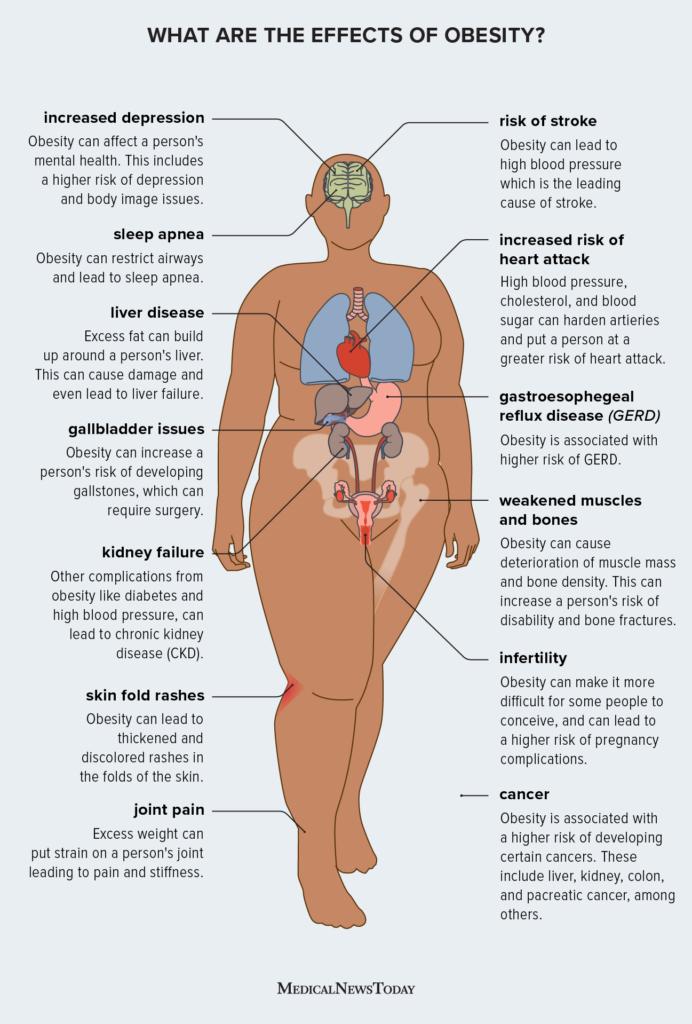
Obesity is a major risk factor for numerous life-threatening conditions, including:
• Heart Disease – A leading cause of death, with obesity-related cases rising over the past two decades (Benjamin et al., 2019).
• Type 2 Diabetes – The primary risk factor for developing this chronic condition (National Institute of Diabetes and Digestive and Kidney Diseases [NIDDK], 2021).
• Stroke – Strongly linked to excess weight and high blood pressure (American Heart Association [AHA], 2023).
• Cancer – Associated with 13 different types of cancer, including breast, colorectal, and pancreatic cancer (National Cancer Institute [NCI], 2023).
• Osteoarthritis – A common consequence of excess weight putting stress on joints (Arthritis Foundation, 2022).


Mental health conditions represent one of the most significant and under-addressed public health challenges in the United States today.
Nearly 1 in 5 U.S. adults experiences a mental health condition each year (National Institute of Mental Health [NIMH], 2023).
Mental health disorders are among the leading causes of disability worldwide (World Health Organization [WHO], 2022).
Depression and anxiety disorders alone affect over 50 million adults in the U.S. (NIMH, 2023).
Despite the high prevalence, many individuals do not receive timely or adequate care due to stigma, lack of access, or limited awareness of available treatment options.
Obesity is now the second leading preventable cause of death in the U.S., following smoking. Nearly one in five deaths among African Americans and Caucasians aged 40 to 85 is linked to obesity, a trend that continues to rise across generations (Masters et al., 2013). The obesity crisis is driven by multiple factors, including genetics, diet, sedentary lifestyles, medications, lack of education, and aggressive food marketing (CDC, 2022).
History has shown that smart, strategic public health interventions—such as those used to combat smoking and hypertension—can create lasting change. To prevent hundreds of thousands of unnecessary deaths, we must take bold, innovative approaches and make obesity a top public health priority (Wang et al., 2011). At Blain Wellness, we are committed to tackling this epidemic through proactive, evidence-based strategies that empower individuals to achieve sustainable health and well-being.

Untreated mental health conditions place a substantial burden on individuals, families, and the healthcare system.
Serious mental illness is associated with a 10–25 year reduction in life expectancy, largely due to untreated or poorly managed physical health conditions (WHO, 2021).
Individuals with mental health conditions have significantly higher rates of emergency department visits and hospitalizations (Health Affairs, 2016).
The economic burden of mental illness in the U.S. exceeds $300 billion annually, including healthcare costs and lost productivity (Greenberg et al., 2021).
Mental health conditions do not exist in isolation—they often worsen chronic medical conditions, interfere with treatment adherence, and increase overall healthcare utilization.

References
• American Heart Association (2023). Obesity and Stroke Risk. Retrieved from www.heart.org
• Arthritis Foundation (2022). Obesity and Osteoarthritis. Retrieved from www.arthritis.org
• Benjamin, E. J., et al. (2019). Heart Disease and Stroke Statistics—2019 Update: A Report from the American Heart Association. Circulation, 139(10), e56–e528. doi:10.1161/CIR.0000000000000659
• Centers for Disease Control and Prevention (2022). The Cost of Obesity in America. Retrieved from www.cdc.gov
• Masters, R. K., et al. (2013). The Impact of Obesity on US Mortality Levels: The Importance of Age and Cohort Factors in Population Estimates. American Journal of Public Health, 103(10), 1895–1901. doi:10.2105/AJPH.2013.301379
• National Cancer Institute (2023). Obesity and Cancer Risk. Retrieved from www.cancer.gov
• National Institute of Diabetes and Digestive and Kidney Diseases (2021). Obesity and Type 2 Diabetes. Retrieved from www.niddk.nih.gov
• Wang, Y. C., et al. (2011). Health and Economic Burden of the Projected Obesity Trends in the USA and the UK. The Lancet, 378(9793), 815–825. doi:10.1016/S0140-6736(11)60814-3
Mental health and physical health are deeply interconnected. Depression, anxiety, trauma-related
disorders, and chronic stress contribute to cardiovascular disease, obesity, diabetes, chronic pain,
sleep disturbances, and immune dysfunction.
Patients with depression are nearly twice as likely to develop cardiovascular disease (Penninx et al.,
2013). Treating mental health improves both emotional and physical health outcomes.

Stigma remains a major barrier to mental health care. Education and access improve engagement and outcomes (WHO, 2018). At Blain Wellness, mental health care is approached with the same professionalism and urgency as physical health care
Mental health is foundational to overall wellness. Supporting mental health improves physical health, relationships, resilience, and quality of life. Blain Wellness is committed to personalized, evidence-based psychiatric care.
References
• American Heart Association (2023). Obesity and Stroke Risk. Retrieved from www.heart.org
• Arthritis Foundation (2022). Obesity and Osteoarthritis. Retrieved from www.arthritis.org
• Benjamin, E. J., et al. (2019). Heart Disease and Stroke Statistics—2019 Update: A Report from the American Heart Association. Circulation, 139(10), e56–e528. doi:10.1161/CIR.0000000000000659
• Centers for Disease Control and Prevention (2022). The Cost of Obesity in America. Retrieved from www.cdc.gov
• Masters, R. K., et al. (2013). The Impact of Obesity on US Mortality Levels: The Importance of Age and Cohort Factors in Population Estimates. American Journal of Public Health, 103(10), 1895–1901. doi:10.2105/AJPH.2013.301379
• National Cancer Institute (2023). Obesity and Cancer Risk. Retrieved from www.cancer.gov
• National Institute of Diabetes and Digestive and Kidney Diseases (2021). Obesity and Type 2 Diabetes. Retrieved from www.niddk.nih.gov
• Wang, Y. C., et al. (2011). Health and Economic Burden of the Projected Obesity Trends in the USA and the UK. The Lancet, 378(9793), 815–825. doi:10.1016/S0140-6736(11)60814-3